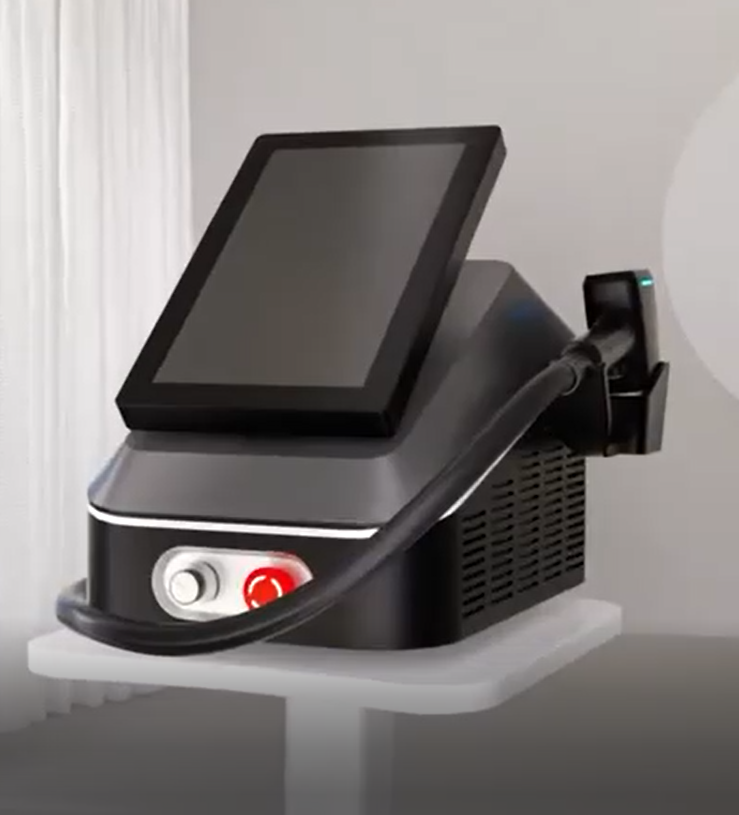
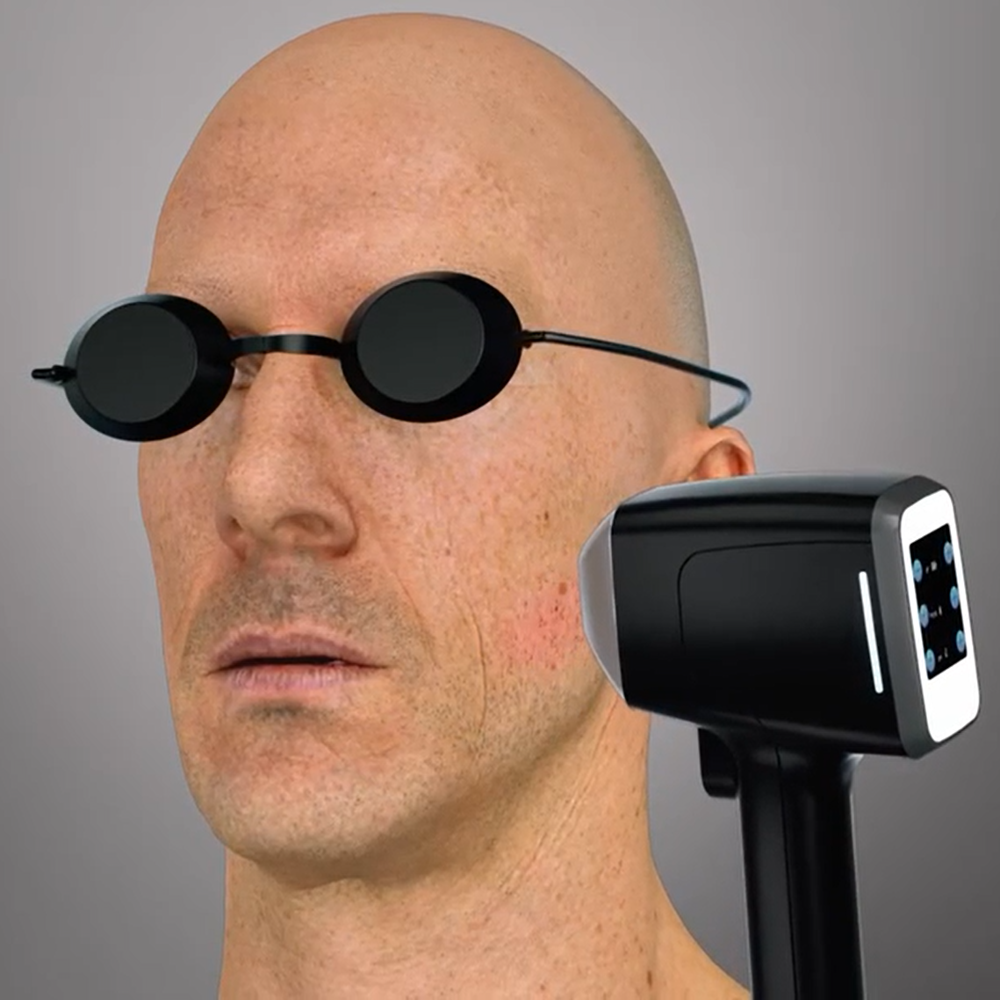
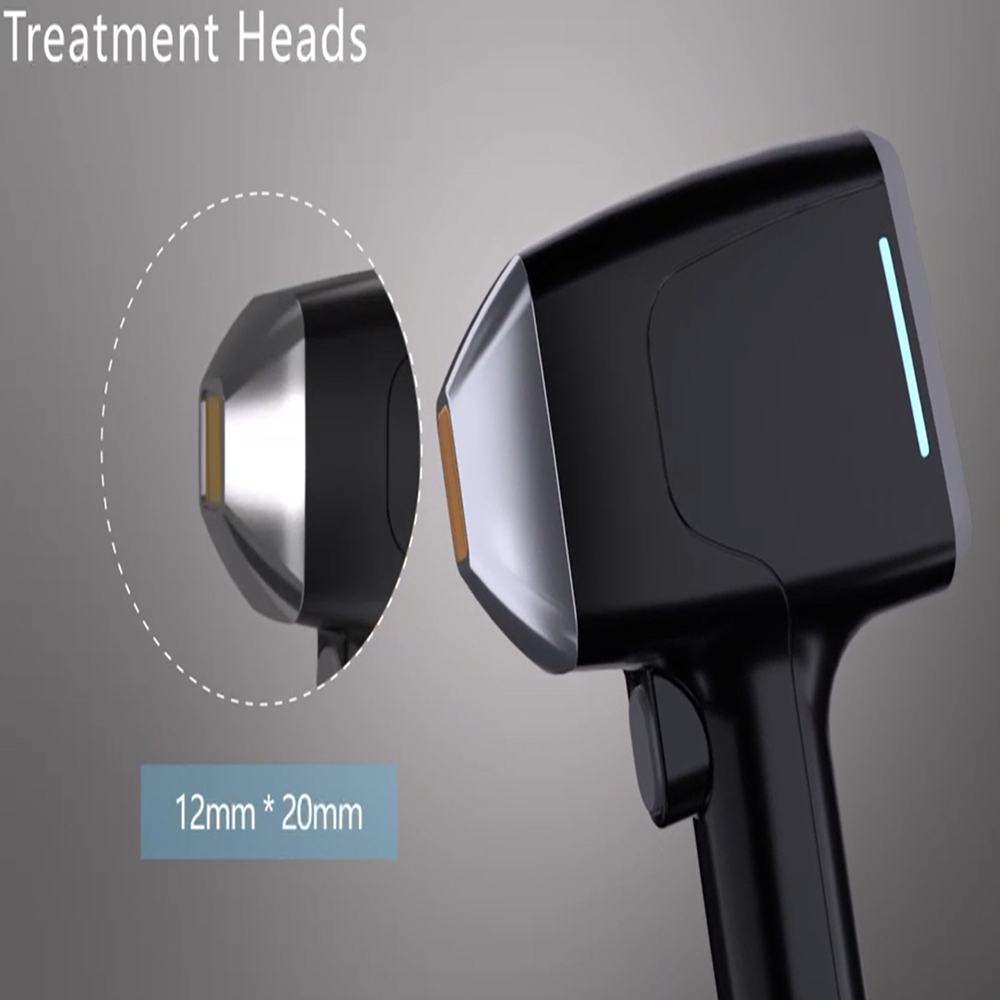
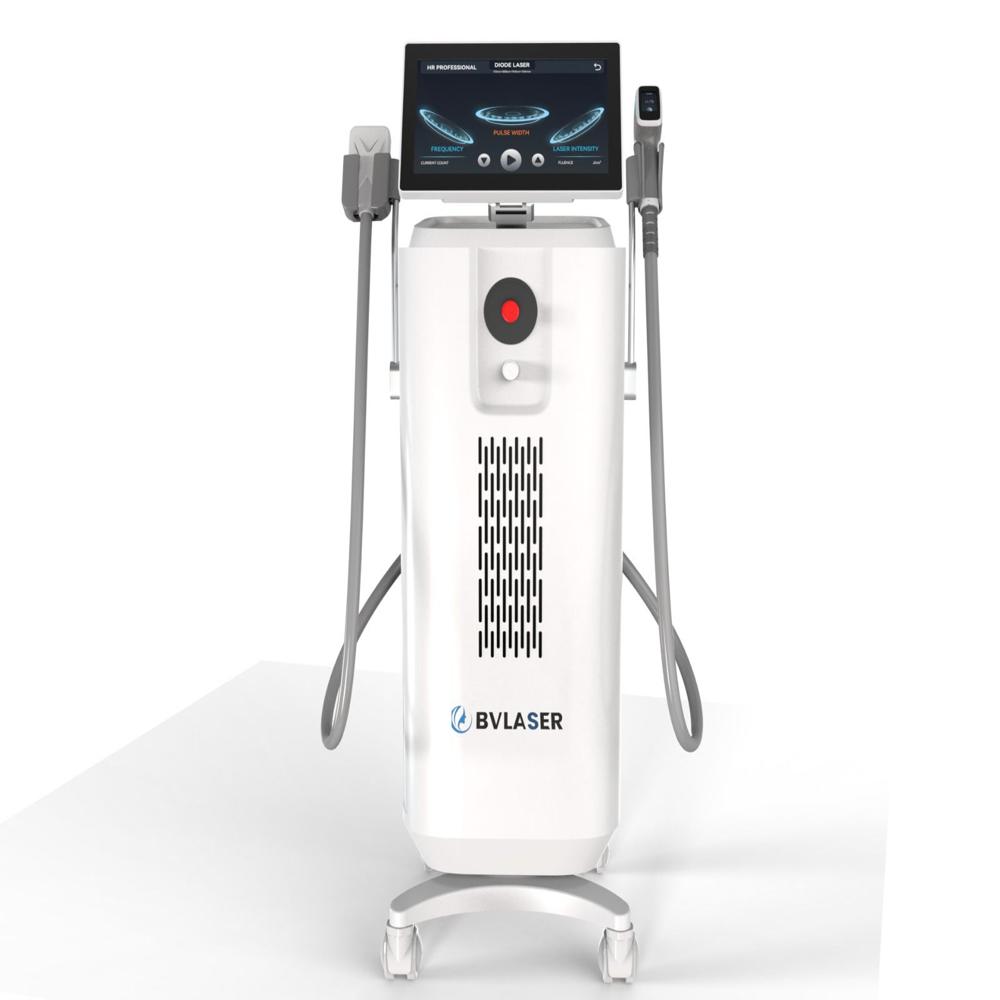
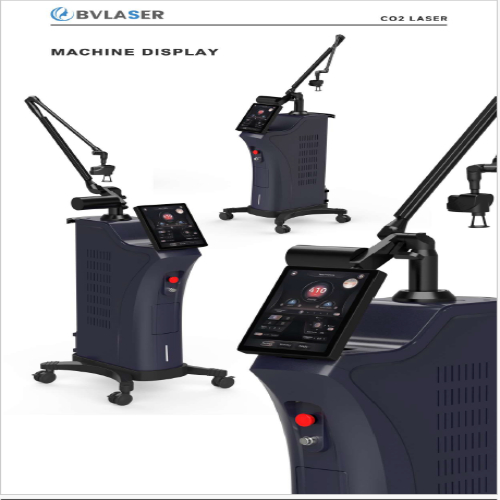
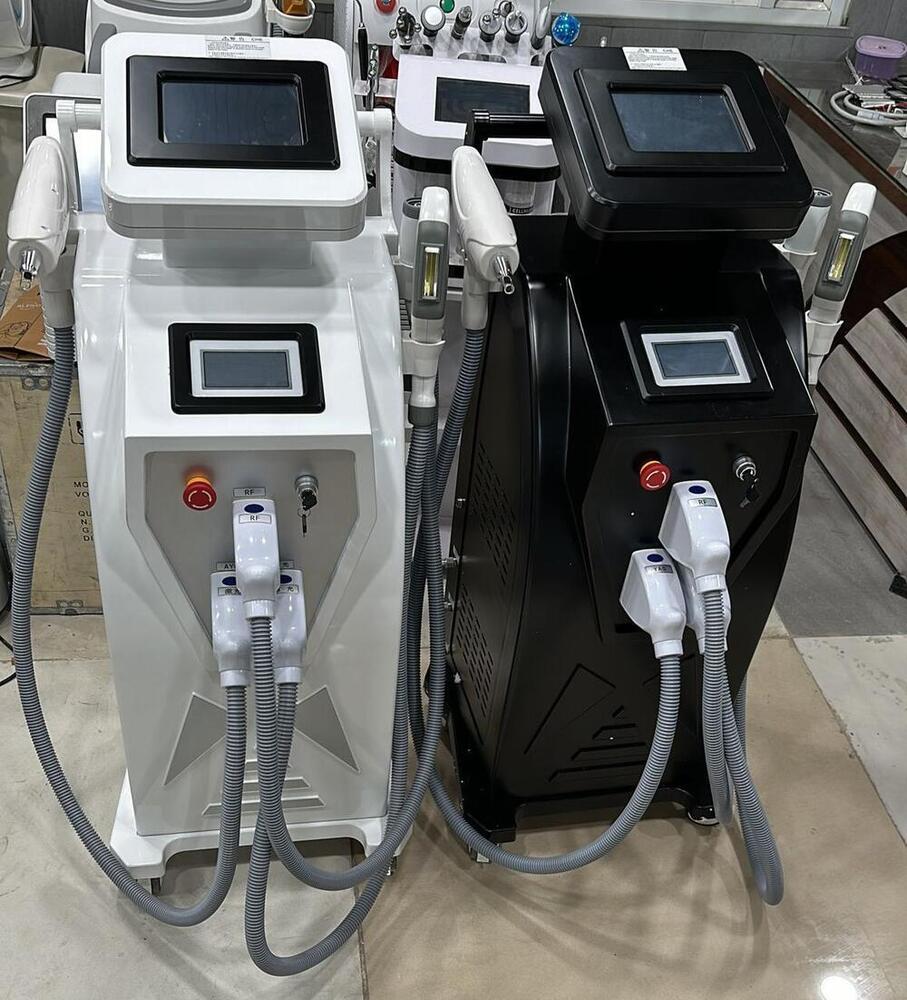
The photo appears to show a portable diode-laser hair-removal system, but the exact manufacturer/model and wavelength cannot be confirmed from the picture alone. The touchscreen and compact air-cooled/water-cooled style are common among diode hair-removal platforms.
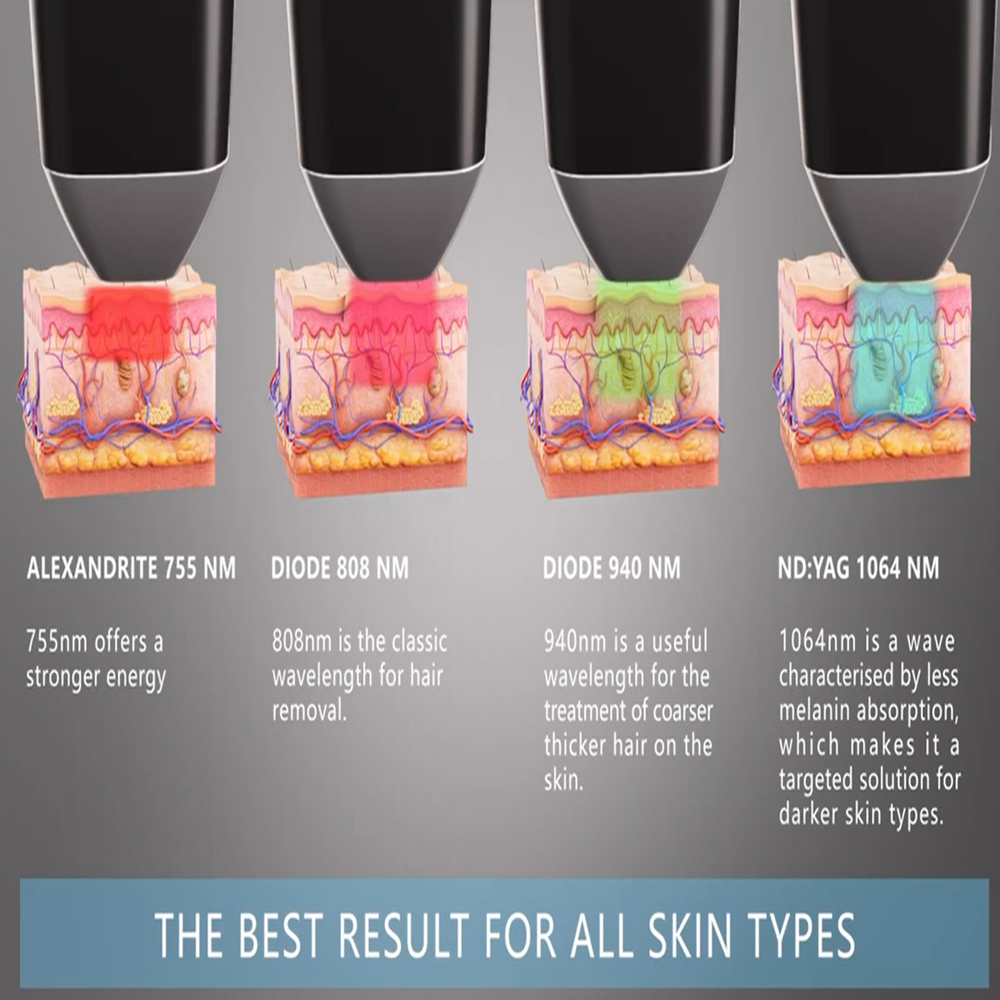
A diode hair-removal laser works by delivering laser energy that is preferentially absorbed by pigment in the hair follicle and converted to heat. Different machines use different wavelengths and parameter ranges, so don't copy settings from another diode machine.
1. Main controls you will probably see
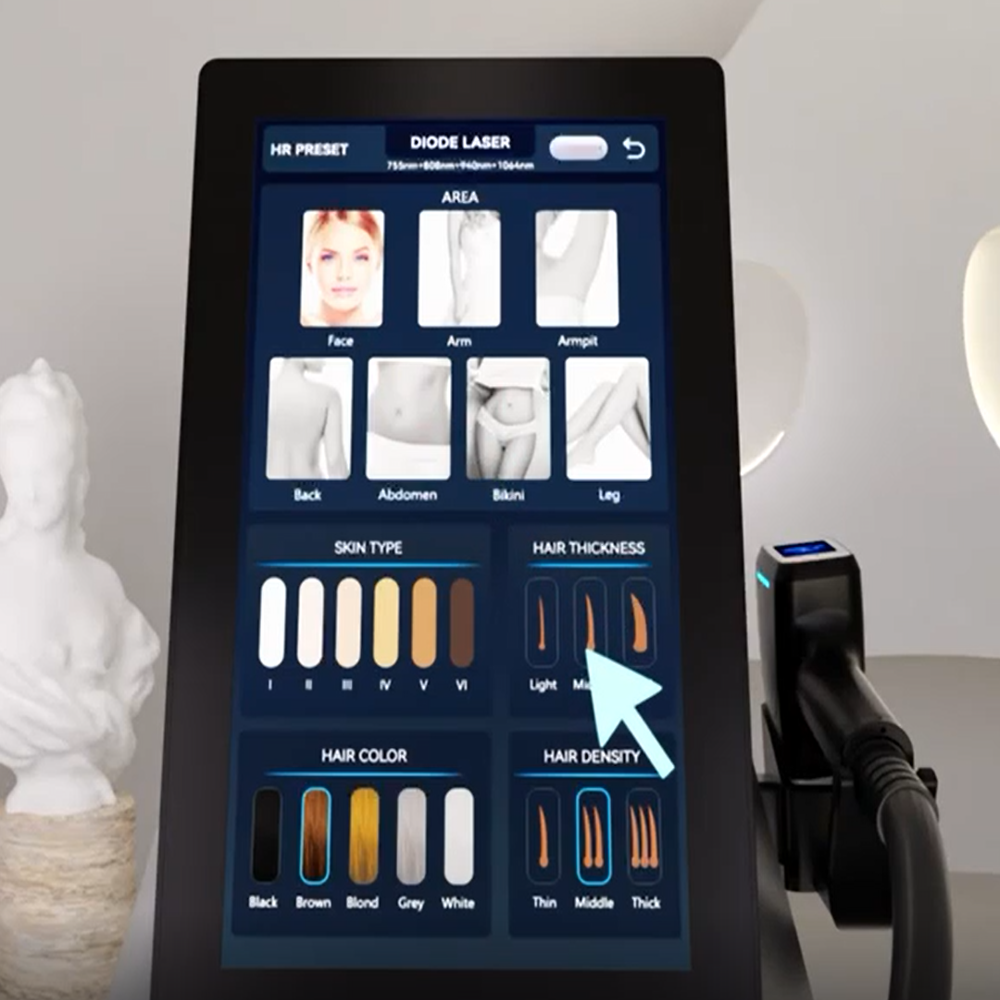
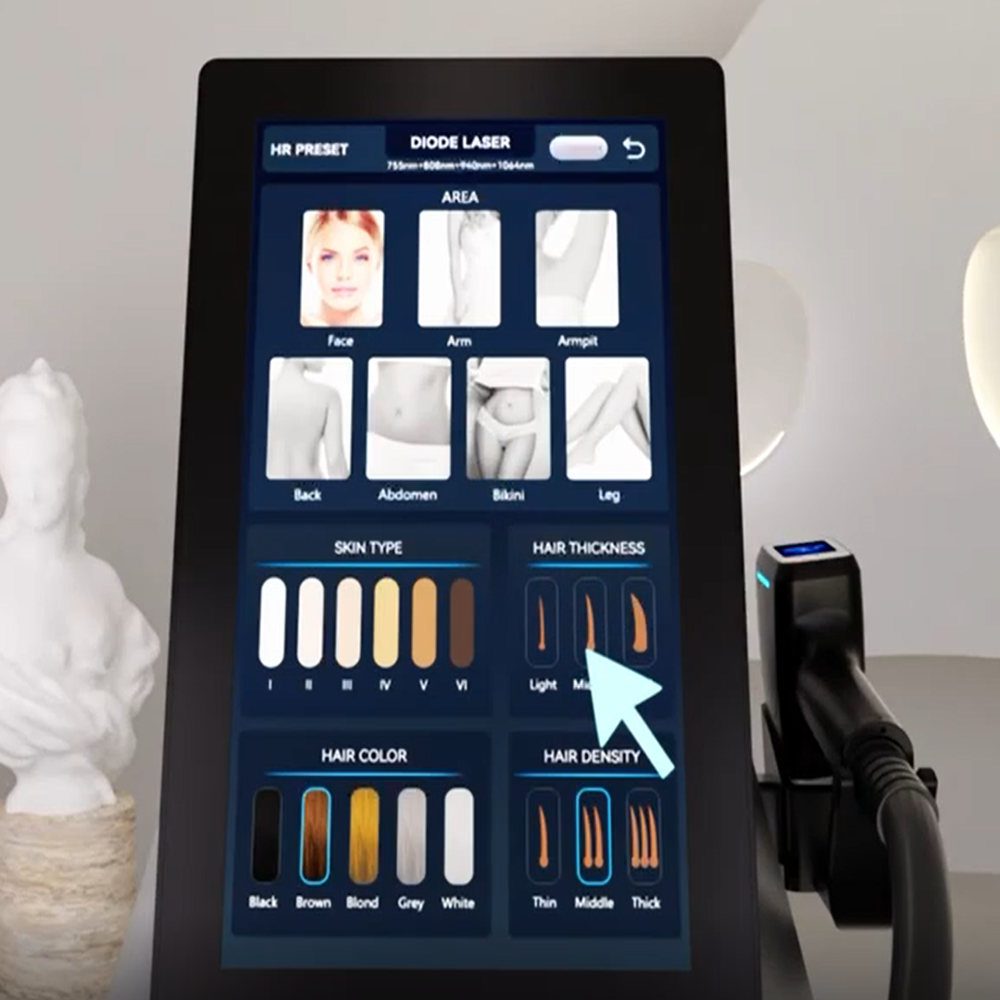
Depending on your exact model, the screen may contain:
| Setting |
What it means |
| Wavelength |
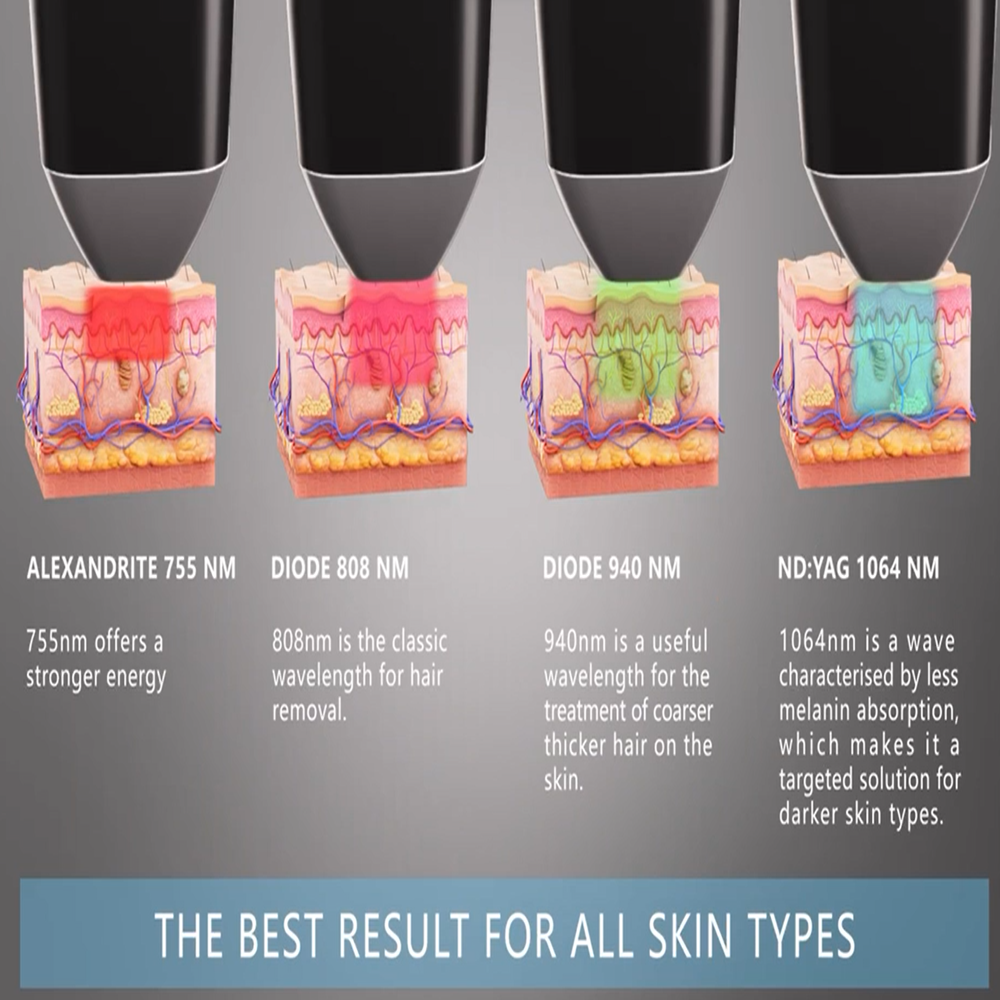
Laser wavelength, e.g. 755/808/810/1064 nm on some systems |
| Fluence (J/cm) |
Energy delivered per unit area |
| Pulse width (ms) |
Duration of each laser pulse |
| Frequency (Hz) |
Number of pulses per second |
| Cooling |
Cooling level/temperature of the treatment tip |
| Shot/Count |
Number of pulses delivered |
| Standby |
Laser emission disabled |
| Ready |
Enables the handpiece for treatment |
Some diode systems, for example, allow fluence, frequency and cooling to be adjusted independently, while others automatically link pulse width and energy.
2. Basic startup procedure
Before turning it on:
- Place the machine on a stable surface with ventilation around it.
- Inspect the power cable and handpiece cable.
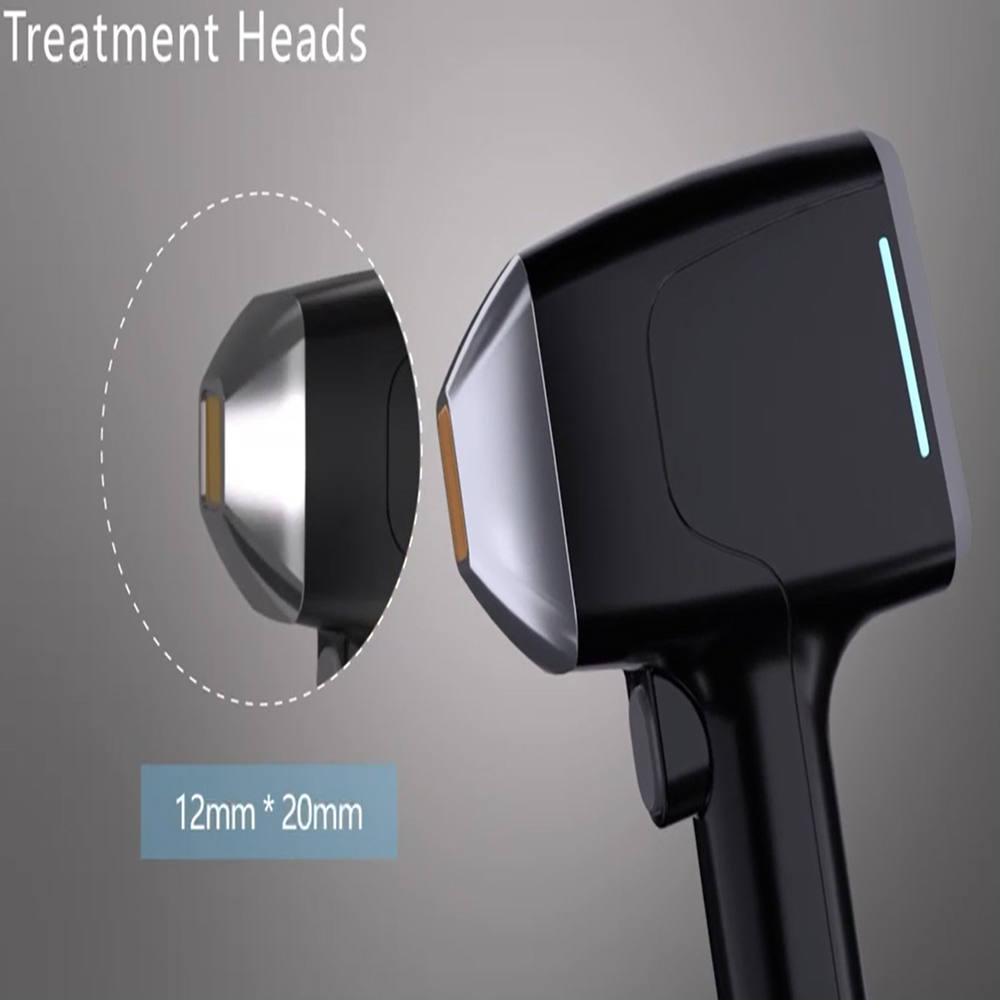
- Check the handpiece window/tip for damage or contamination.
- Confirm the cooling system is functioning.
- Make sure the emergency-stop button is released.
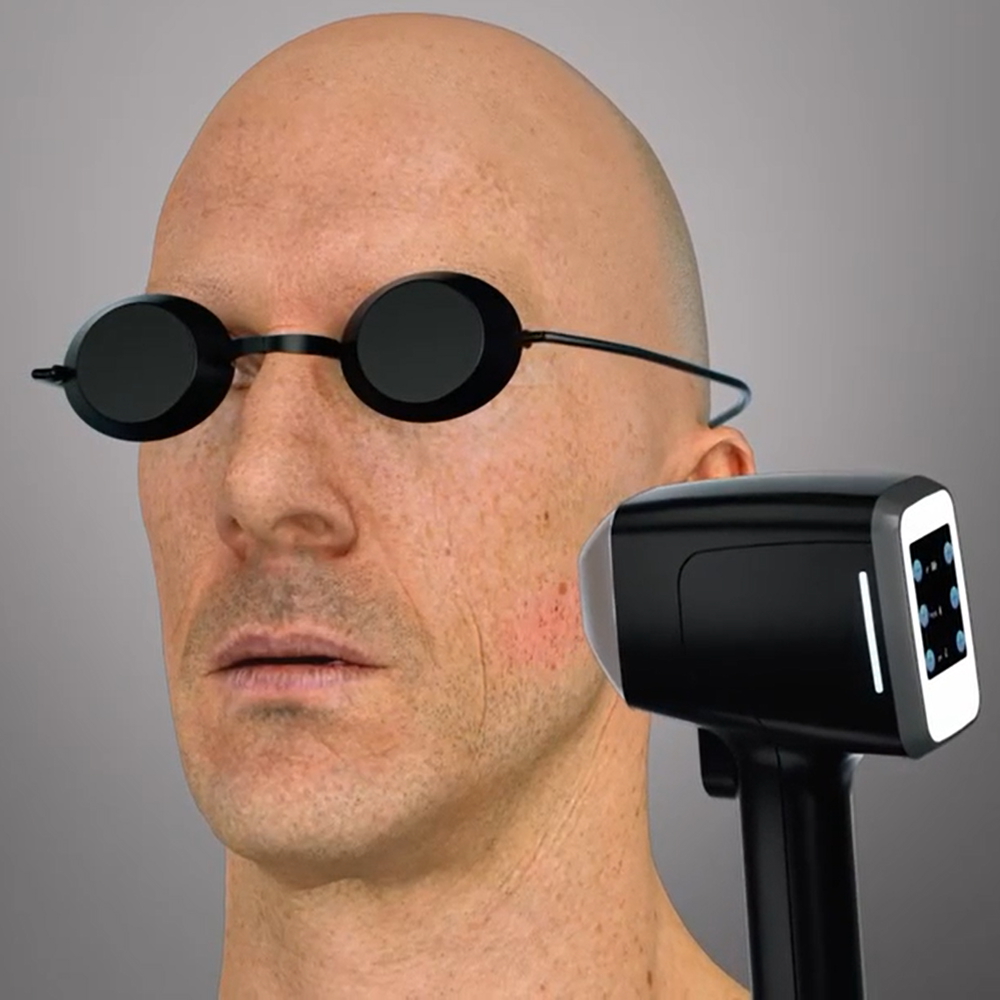
- Put on laser eyewear appropriate to the actual wavelength of your machine.
- Restrict access to the treatment area.
High-power diode lasers can cause serious eye and skin injury. FDA guidance notes that professional laser systems can fall into high-hazard classes, and direct or reflected exposure can be dangerous.
Then:
Power ON allow system initialization select HR/hair-removal mode select parameters verify cooling READY treatment.
Do not activate the laser while the handpiece is pointing into the room.
3. During treatment
The usual workflow is:
Prepare/shave skin clean treatment area select appropriate parameters establish correct handpiece contact activate laser treat systematically move to the next area.
Some diode systems have a contact sensor so the laser will only emit when the handpiece is correctly touching the skin.
Don't repeatedly fire several pulses on exactly the same point. Excessive accumulated energy can produce burns and pigmentary injury.
4. Cooling is important
The cooling system protects the epidermis while allowing the laser to heat the follicular target.
If the machine displays something such as:
- Water temperature high
- Low water flow
- Cooling error
- Handpiece temperature abnormal
stop treatment and resolve the cooling problem before continuing. Similar diode systems automatically stop laser emission when cooling-water temperature or flow becomes unsafe.
If this particular portable unit is air-cooled rather than water-cooled, don't add water unless the manufacturer's instructions specifically require it.
5. Do NOT use these generic settings
You may find online instructions saying things like:
Use 10 J/cm for skin type III
Use 20 J/cm at 10 Hz
Use 808 nm at X ms
Don't automatically use those settings on your machine.
Diode systems can have substantially different wavelengths, spot sizes, pulse durations, cooling systems and maximum fluences. For example, one FDA-documented diode system uses 810 nm, while other systems use multiple wavelengths.
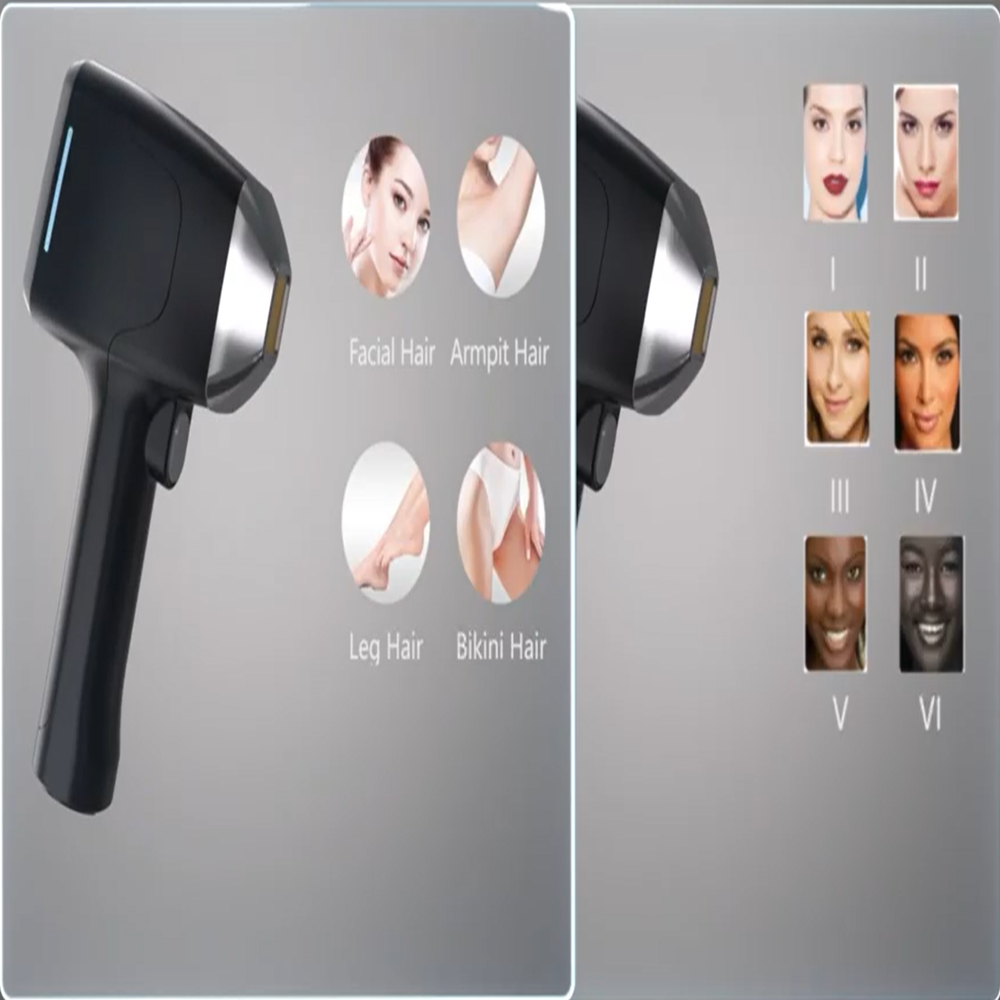
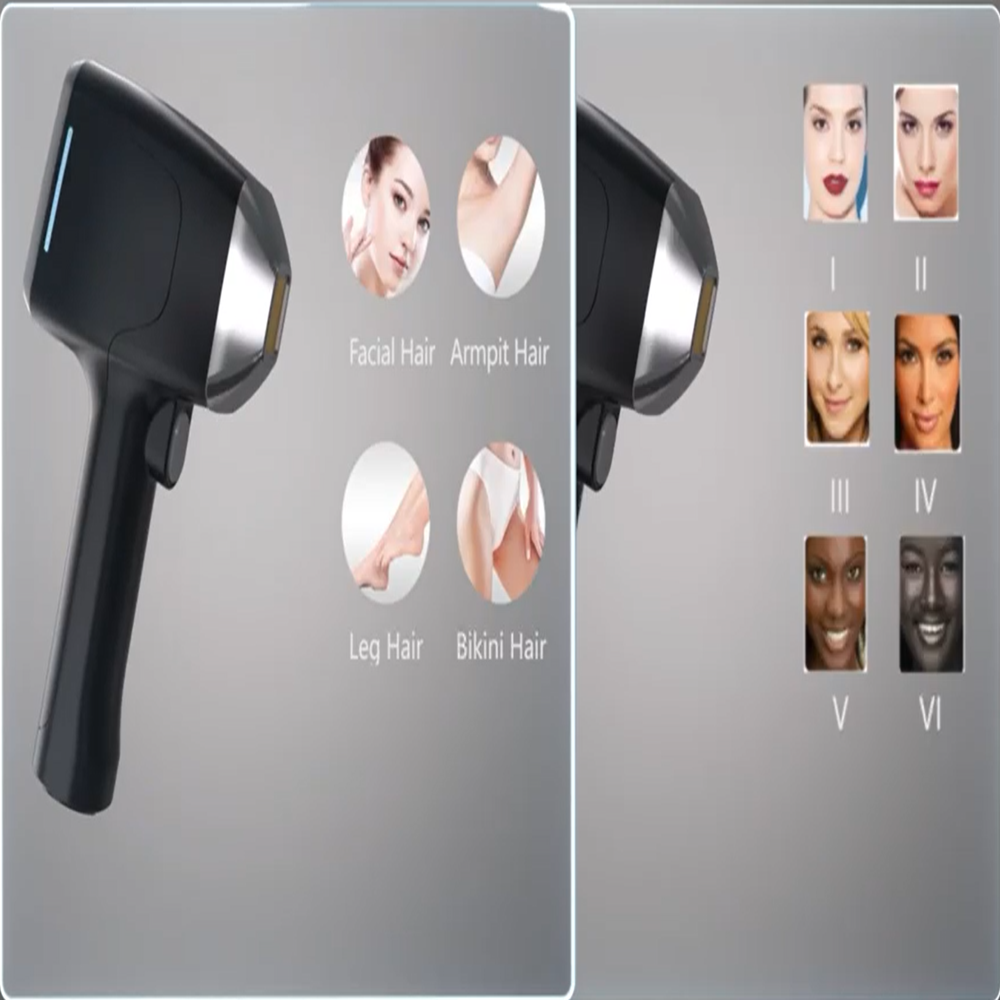
The correct parameters need to be established from your exact model's manual and clinical protocol, taking into account skin type, hair colour/thickness, treatment area, tanning and patient response.
6. When NOT to treat
Before treatment, screen for relevant contraindications and follow the manufacturer's instructions and your local regulations. In particular, don't treat over active infection, open wounds, significant skin irritation or recently sunburned/tanned skin without appropriate professional assessment.
Also be careful around eyes and areas where laser exposure could be hazardous.
7. After treatment
Mild temporary redness and perifollicular swelling can occur. Monitor the skin rather than immediately increasing energy if the desired response isn't seen.
Severe pain, blistering, marked whitening/grey discoloration, burns or unexpected swelling are warning signsstop treatment and obtain appropriate medical assessment.
I can teach you this exact machine
The photograph doesn't show the touchscreen, so I can't safely tell you the exact buttons or parameter ranges.
Please send me one photo of the machine switched ON showing the full touchscreen. Also send a close-up photo of the handpiece tip and the model/specification label on the back or bottom.
Then I can explain, step-by-step:
Power ON touchscreen menus HR mode wavelength fluence pulse width Hz cooling READY/STANDBY handpiece operation shutdown
and identify which settings are actually available on your particular portable diode laser.
 Send Inquiry



 Send Inquiry

 Send Inquiry